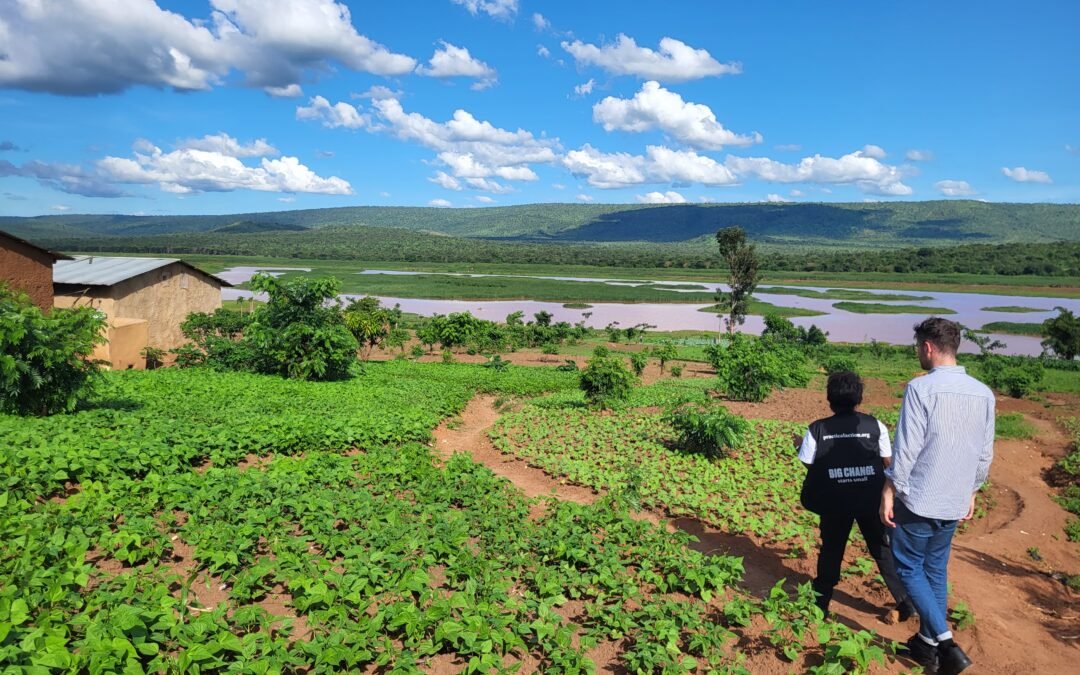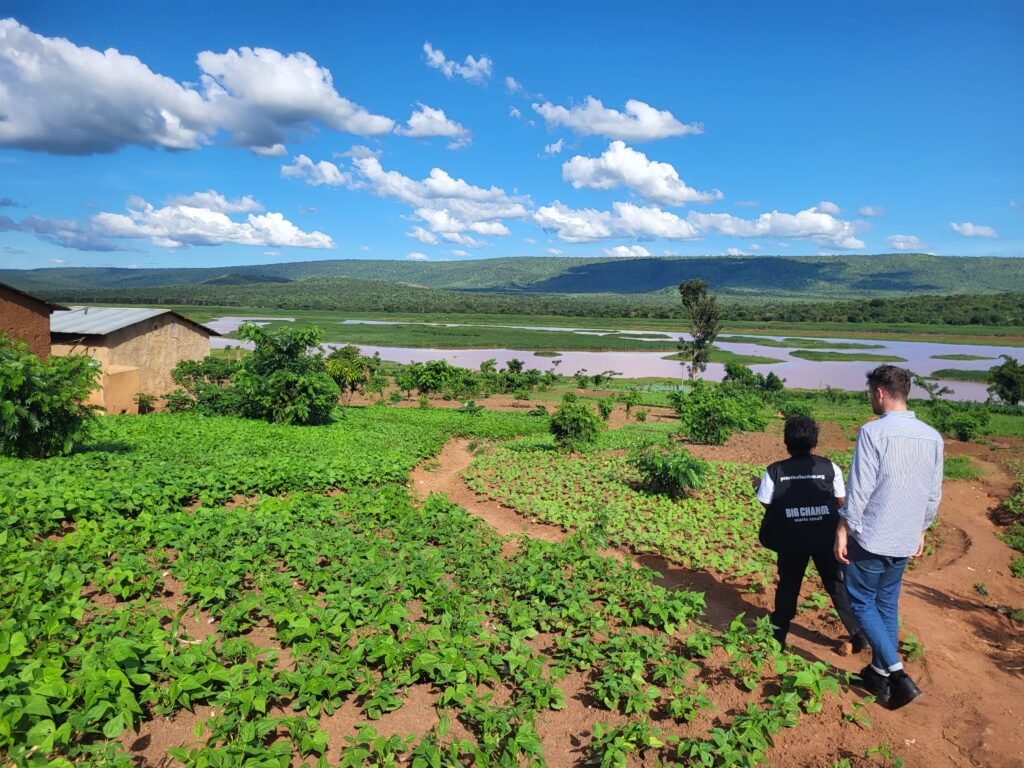
MALL workshop in Mahama Refugee Camp, Rwanda — 23 July 2026

MALL workshop in Mahama Refugee Camp, Rwanda — 23 July 2026

One of the suggestions from the day was to add a hook, so the hydrogen storage bag can hang up.


It is a small thing. It is also exactly the kind of thing that never appears in a technology specification written elsewhere, and exactly the kind of thing that determines whether a system gets used or gets left in a corner. On 23 July, SUNNY held a Multi-Actor Learning Lab in Mahama Refugee Camp to collect changes at that level of detail — and at every level above it.


Who was in the room


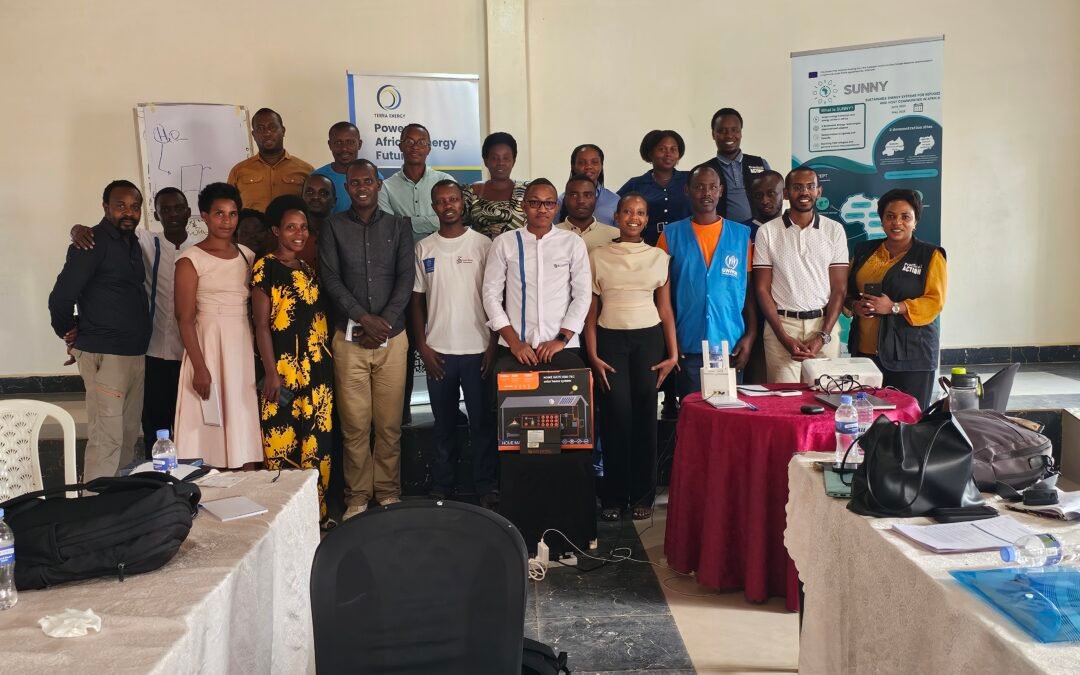
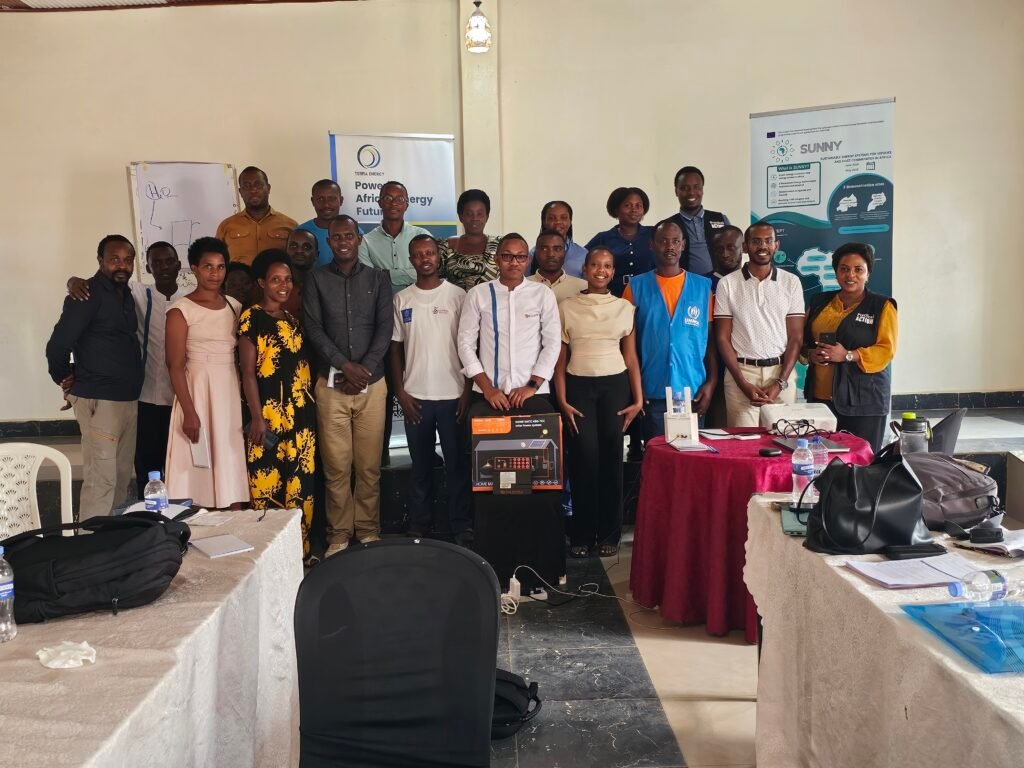
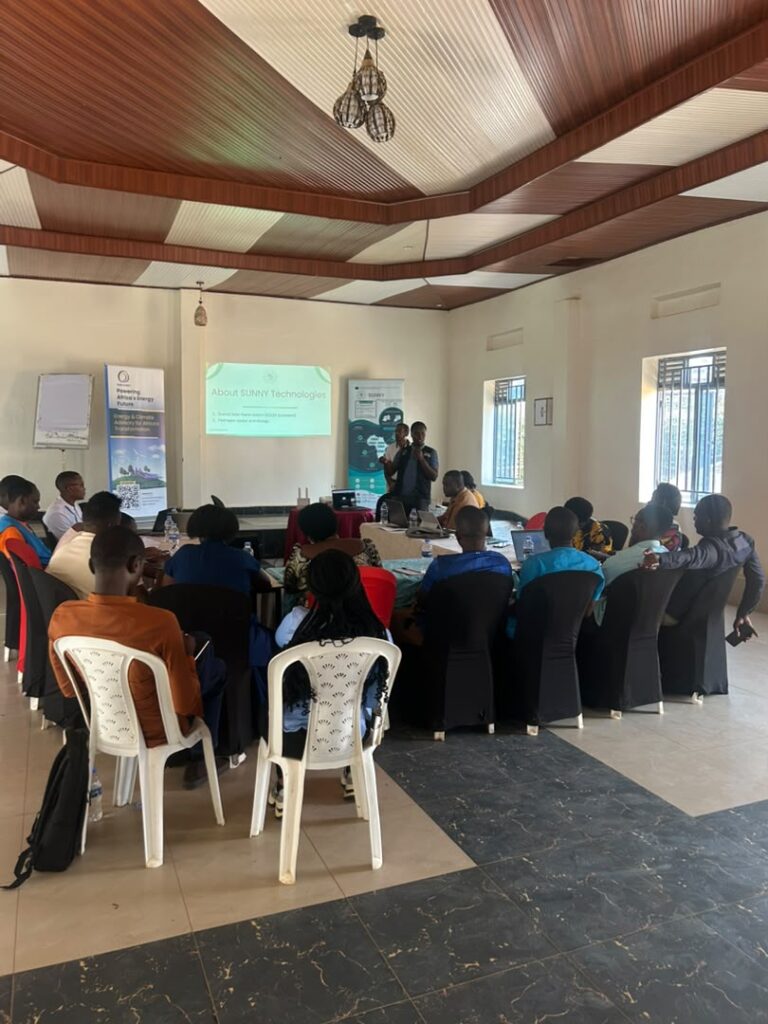
Thirteen people took part: eleven community representatives — five refugees and six from the host community, five women and six men — together with two project staff. Our partners Terra Energy organised the session, with Practical Action facilitating on the ground.


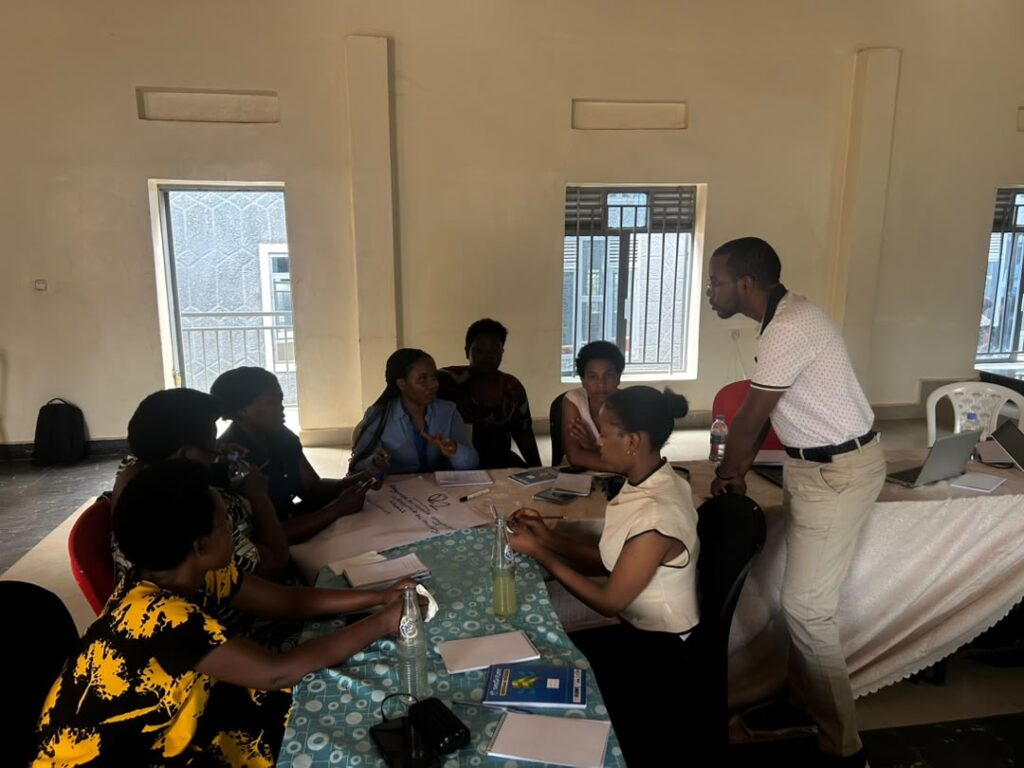
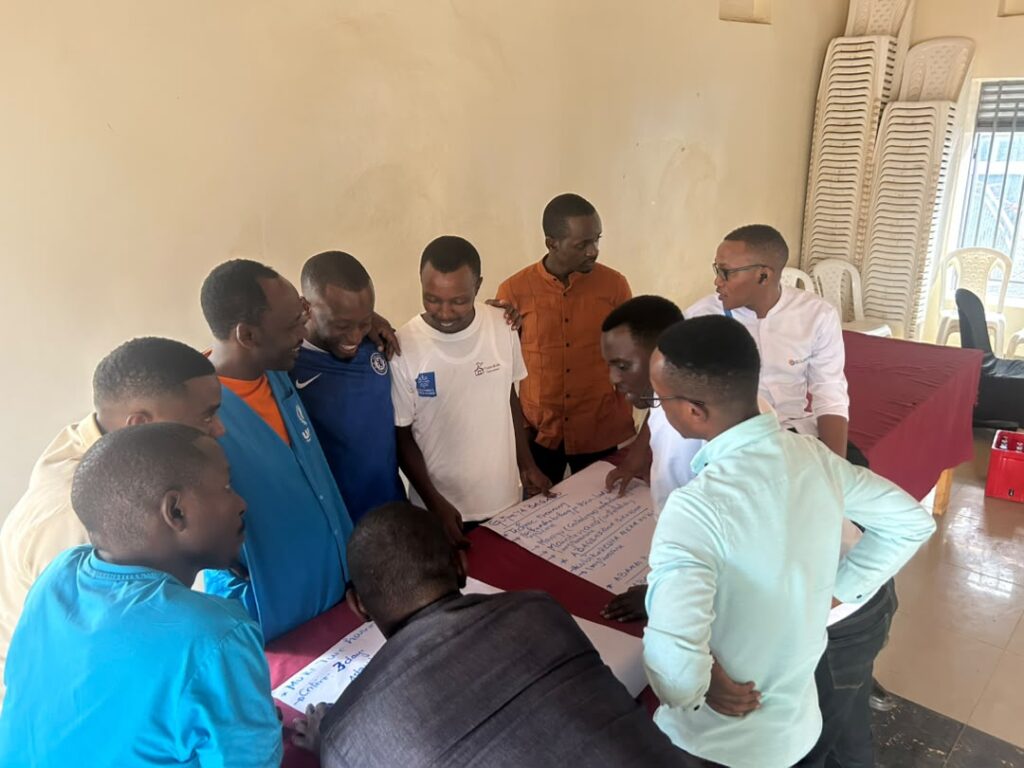
It was a small group by design, and the output density reflects it. Breakout groups were split with women convened separately, so that their input was captured distinctly rather than averaged into a mixed-group consensus. That decision produced findings that would otherwise have been lost — most notably on training delivery, further below.


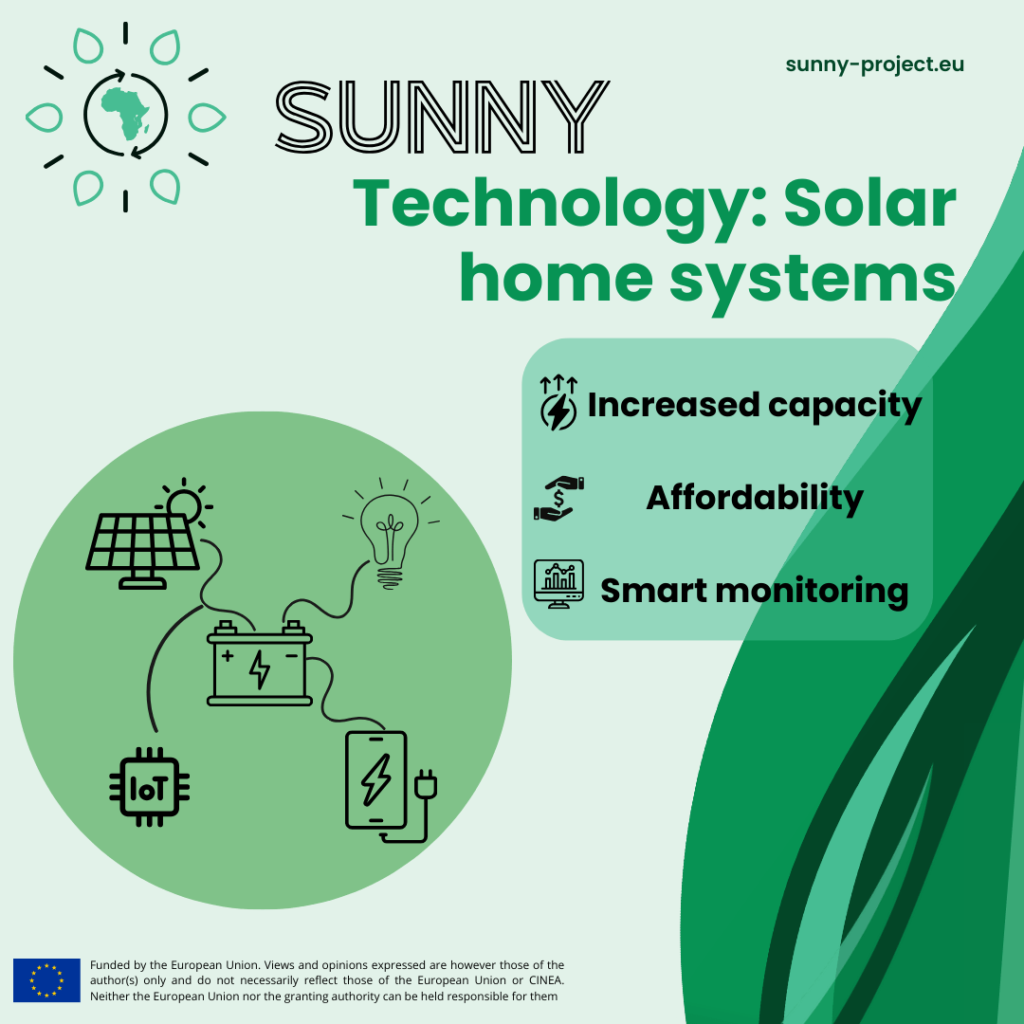
Two technologies were put in front of the group for validation: a shared solar home system, developed by SOLEKTRA, and a hydrogen cooker and storage system.


What the community corrected: the solar system


The feedback on the solar home system was granular and almost entirely actionable.


Participants asked for a distinct audio alert for incorrect keypad entries, separate from any tamper or fault signal — so that a user’s own mistake isn’t confused with a system malfunction. On the tamper signal itself, the group did not converge: light, sound and image were all discussed, and the question remains open for SOLEK.


There was strong, repeated demand for wider appliance compatibility — laundry equipment, laptop charging and trimmers came up more than once, alongside a specific request for compatibility with a 12V DC iron. Participants then asked a question that pointed past the product entirely: where would they actually buy compatible appliances? That indicates a local supply-chain gap, and suggests something as simple as a recommended vendor list may need to ship alongside the hardware.


Questions on autonomy during cloudy days signalled a communications need rather than a design one: worst-case performance has to be stated clearly and realistically up front, rather than discovered in week three.


The most significant gap was commercial, not technical. The ownership and business model of the shared system were not well understood — particularly what happens to ownership once payments are complete. Terra Energy has identified the demonstration stage as the right moment to resolve this, in plain language and with visuals rather than text.


On misuse and tampering, participants were clear that consequences should be explicitly defined, and that responsible local structures should be informed when equipment is damaged. And they confirmed the upside: reliable power could support small income-generating activity, with phone charging named directly.


What the community corrected: the hydrogen cooker


Here, safety dominated.


Participants referenced prior LPG-related explosions and accidents and asked, reasonably, how a hydrogen system compares. The session ran over time on the volume of questions raised — a sign of high engagement, but also a sign that not every concern was fully resolved in the room. Participants want to see real-world examples of the technology working, which is a credibility question rather than a technical one, and one that a demonstration answers better than an explanation.


They also want to see it cook the food they actually eat, demonstrated live rather than asserted.


Practical questions clustered around the storage bag: how it gets repaired or replaced, what it weighs, what it costs. Participants proposed that bag design account for differing family sizes, so refill volumes match household need rather than a single default.


And then the group redesigned the distribution model. Rather than a single central production point, participants proposed decentralising to roughly one hydrogen production unit per eight households, cutting travel distance for refills — with community-based agents managing local bag exchange, and dedicated training for those agents.


That is not feedback on a product. That is a proposal about how the service should be structured, and it came from the people who would have to walk the distance.


The record that explains the scepticism


Underneath both discussions sat a consistent account of what has gone wrong before.


Participants described a clear mismatch between demand for renewable energy technologies and available supply. Previous donor and NGO-provided technologies were remembered for poor quality and robustness, with high failure rates — battery robustness cited specifically. After-sales service and slow repair turnaround came up repeatedly as a recurring pain point.


Battery theft was raised as a major and persistent problem. Participants’ response to it was constructive and pointed: users should not bear the full replacement cost when equipment is stolen, and a risk-sharing mechanism should be built into the business model rather than bolted on afterwards. That is now an input to WG4’s business model design.


The group made two further requests. They asked to be prioritised as beneficiaries of the pilot implementation. And they asked for visibility into how their feedback actually changes the design — a validation loop the project intends to close, at demonstration stage or through direct follow-up.


The training programme participants designed themselves


Asked how training should work, the group did not offer preferences. They specified a programme.


Three days: day one on the solar system, day two on the hydrogen cooker, day three for hands-on practice and handover, running roughly 09:00 to 15:00. Participants aged 18–45, with a gender balance target of approximately 60% female to 40% male. Attendance extending beyond direct users to technicians and local leaders — village, cell and social leaders, plus cooperative leaders — at indicative numbers of around 62 participants in-camp and 20 in the host community.


Content should cover how to use the equipment, how it works, how to maintain it, and — notably — the terms of agreement between buyer and seller. Participants want the commercial contract explained as part of the training, not separately from it.


Materials requested: pens and notebooks, visual teaching aids and a manual (imifashanyigisho), an equipment catalogue, and hands-on practical materials. A dedicated maintenance and installation track was requested alongside the general programme.


Participants recommended an explicit AGD approach — age, gender and disability — be applied to training design. And the Women’s Discussion Group flagged something specific: a rotating model where one leader or community member is trained at a time is not sufficient. They proposed mobilising volunteers to support elderly participants and to encourage wider participation, including by persons with disabilities.


On entrepreneurship training, participants proposed content by track. For hydrogen: business planning and project management, savings, finance and bank literacy, monitoring and evaluation, business leadership, innovation. For solar, they named the income-generating activities reliable power would enable — restaurant, hair salon, phone charging, cinema, delivery service.


What participants said afterwards


Ten of the eleven community participants completed the post-workshop survey, rating 26 statements across five dimensions. Respondents spanned ages 27 to 52, were close to gender-balanced, and included both refugee and host-community representatives.


Scores sat consistently at 4 and 5 across all five dimensions. Co-creation scored strongest and most uniformly of any dimension — participants felt the session genuinely built on their input. Capacity building was marginally more variable, which tracks directly with the requests for more training time.


Gender inclusion drew the most substantive open-text engagement. Most respondents framed it around equality — that everyone should be given equal opportunity, that no one should be left out, that both genders are capable. One female respondent framed it differently, and worth recording separately: that gender consideration matters because women are the ones who need this project most.


The suggestions were direct. Start on time — the single most repeated point, raised independently by several respondents. Extend the training from one day to three. Provide more hands-on materials and equipment during sessions. Include more visual aids and diagrams. And run training of trainers, to extend reach beyond the room.


We will take the timekeeping point first. It was the clearest piece of critical feedback we received, and it is the easiest to fix.


Project Inception Meeting in BidiBidi Settlement: Introduction of the SUNNY project to local community representatives

Project Inception Meeting in BidiBidi Settlement: Introduction of the SUNNY project to local community representatives

In December 2024, partner CTEN (Community Technology Empowerment Network) took a significant step in further strengthening the collaboration of the project consortium with local communities in Bidibidi Refugee Settlement. Through its inception and end-of-year feedback meetings, CTEN set the stage for the SUNNY project, which aims to drive community-based protection, education, and livelihood improvements through enhanced and sustainable access to energy services.


About CTEN

CTEN, a Registered Refugee-Led Organization (RLO), that operates under the vision of fostering a healthy, informed, and peaceful community. With thematic areas spanning community-based protection, digital education, energy, environment, and livelihood support, CTEN is committed to empowering refugees and host communities alike.

The SUNNY Project: Setting the Foundation for Success

Bidibidi Refugee Settlement requires operational partners (OPs) and implementing partners (IPs) to conduct inception meetings for new projects to ensure alignment with government programs and effective coordination. On November 18, 2024, CTEN held an inception meeting in Zone 1 to introduce the SUNNY project. This project targets Zones 1-5 and seeks to integrate within the existing settlement framework to enhance collaboration and efficiency.

On November 22, 2024, an end-of-year feedback meeting was held with key stakeholders, including the Office of the Prime Minister (OPM), Refugee Welfare Councils (RWCs), Religious and opinion leaders, and other RLOs. This meeting provided an opportunity to reflect on achievements, challenges, and lessons learned over the past six months.

Objectives of the Inception Meeting

The inception meeting aimed to:

  • Introduce the SUNNY project to all stakeholders and highlight its alignment with the settlement’s operational framework.
  • Present approved work packages, deliverables, and timelines for effective implementation.
  • Define roles, responsibilities, and reporting structures for consortium partners.
  • Gather feedback from the community on activities conducted by CTEN in collaboration with TUB, ReFuse, and UMAK.

Attendance and Engagement:

The two meetings attracted 41 participants comprising representatives from government, community leadership, and refugee-led organizations. The gender distribution included 28 males and 13 females, achieving approximately 70% attendance of the targeted stakeholders.

Key Achievements:

During the past six months, CTEN made notable strides in:

  1. Increasing awareness of renewable energy solutions and waste management.
  2. Encouraging active participation of local communities in workshops and surveys.
  3. Identifying priority waste sites for intervention.
  4. Strengthening collaboration between stakeholders and community representatives.

Challenges Identified:

Despite the achievements made, several challenges emerged:

  • Limited resources to scale up waste management interventions.
  • The need for more practical demonstrations and pilot projects.
  • Gaps in technical capacity among local community members.

However, these challenges are not insurmountable. With continued engagement from partners and the valuable feedback from the community, SUNNY is implementing strategies to address these issues effectively. Increased resource allocation, practical training sessions, and strengthening local capacity will help overcome these obstacles, ensuring the long-term success of the project. These challenges also present opportunities to further engage communities and drive innovative solutions tailored to local realities.

Community Feedback and Lessons learned

Community leaders shared valuable insights:

  • Appreciation for the positive impact the SUNNY project is expected to bring to livelihoods.
  • A call for increased training programs on renewable energy maintenance and business development.
  • The need for broader engagement of youth and women in project activities.

Through the engagement process, several lessons emerged:

  1. Local knowledge enhances the relevance of waste mapping data and ensures sustainability.
  2. Hands-on, practical training is essential for effective capacity-building.
  3. Sustained collaboration with local government improves project implementation.

Critical Observations and recommendations for future activities

Some notable observations included:

  • Awareness of sustainable energy solutions remains relatively low, necessitating ongoing sensitization.
  • Collaboration with local authorities facilitated smoother implementation.
  • Some community members had expectations of monetary incentives for participation.

To ensure the continued success of the SUNNY project, the following recommendations were made:

  1. Increase the frequency of training sessions and workshops.
  2. Implement more practical demonstrations on waste management and renewable energy.
  3. Strengthen partnerships with local government and private sector actors to enhance sustainability.


The inception meeting successfully laid the groundwork for the SUNNY project, bringing together key stakeholders who demonstrated a shared commitment to its success. The end-of-year feedback meeting provided critical insights that will shape future activities, emphasizing the need for continuous engagement, technical capacity building, and sustainable collaboration.

As CTEN moves forward, it remains dedicated to empowering communities through digital inclusion, renewable energy education, and waste management initiatives, ensuring that refugees and host communities alike become more self-reliant and resilient.


Presenting SUNNY’s 1st Demo Site in Rwanda’s Mahama Refugee Camp: Transforming Lives with Clean Energy

Presenting SUNNY’s 1st Demo Site in Rwanda’s Mahama Refugee Camp: Transforming Lives with Clean Energy

Access to clean and sustainable energy is not just a technical challenge; it’s a fundamental aspect of improving lives.

In communities where resources are scarce, energy solutions can make the difference between survival and progress. At the Mahama Refugee Camp in Rwanda, the SUNNY project has taken its first major step toward this goal, working alongside partners PA, SOLHYD, and SOLEK to deliver innovative clean energy solutions.

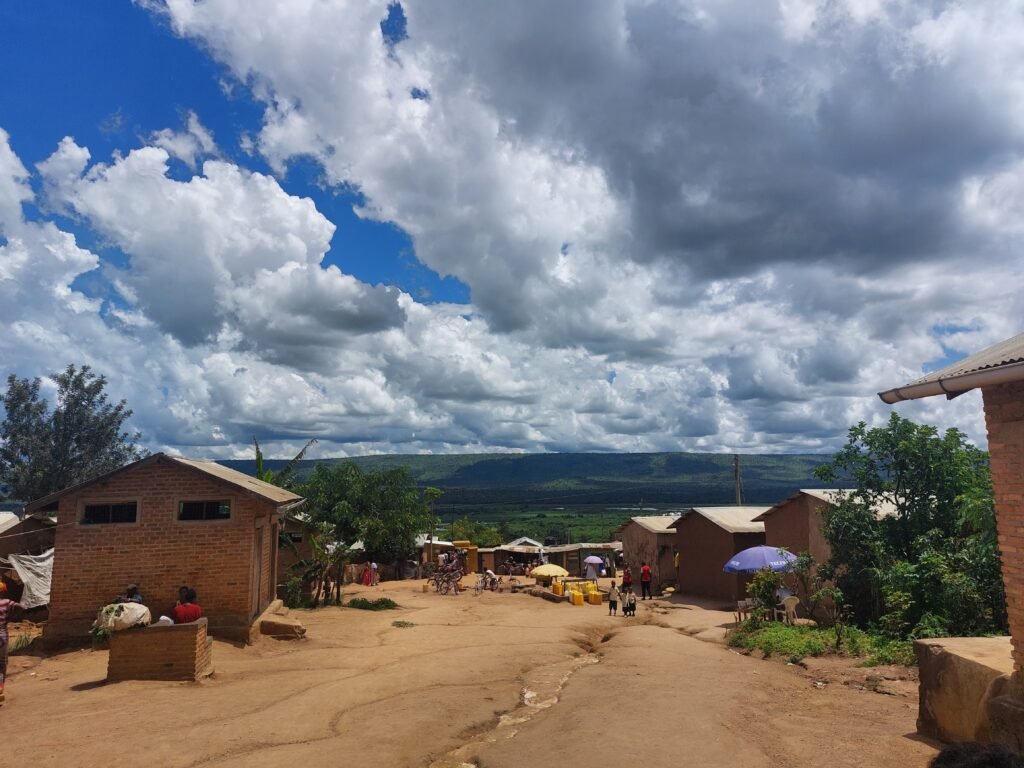
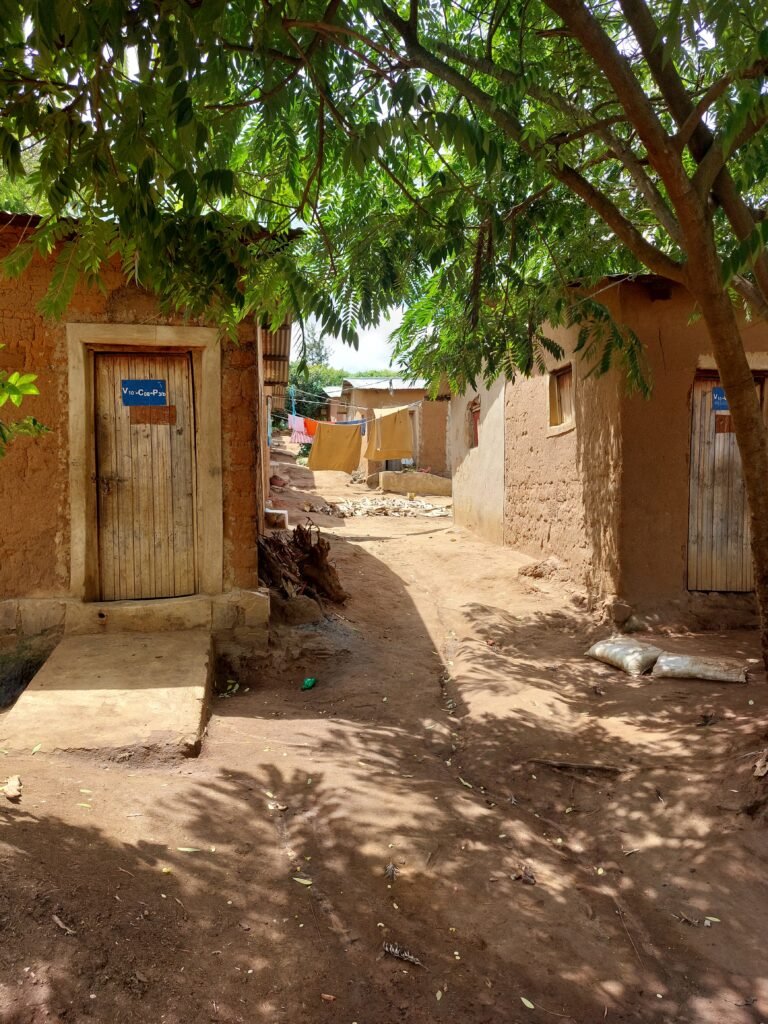
Located in Rwanda’s Eastern Province, the Mahama Refugee Camp has been home to over 58,000 displaced individuals from Burundi and the Democratic Republic of Congo (DR Congo) since its establishment in 2015. While some progress has been made in introducing renewable energy sources, access to sustainable energy remains limited, impacting health, education, safety, and economic development for both refugees and the surrounding host communities.

Through the SUNNY project, we aim to test and implement pioneering solutions that will address these challenges, focusing on two key innovations: hydrogen-powered cooking systems and solar home systems.

The Energy Context at Mahama Refugee Camp

The Mahama Refugee Camp spans 175 hectares and operates under significant energy constraints. Although efforts have been underway since 2022 to connect the camp to the national electric grid, the current reliance on firewood, diesel generators, and LPG (liquefied petroleum gas) poses serious challenges:

  • Environmental Impact: Firewood contributes to deforestation, and diesel generators emit harmful carbon.
  • Financial Burden: Diesel and LPG costs strain humanitarian resources.
  • Health and Safety Risks: Indoor air pollution and fire hazards harm community well-being.

Existing renewable efforts, such as the Nasho Solar Power Plant and solar panels at Mahama’s health center, have been impactful but need scaling to meet growing demands.


SUNNY Project: Objectives and Vision

SUNNY aims to demonstrate clean energy solutions while assessing their environmental, social, and economic impact. Our core goals are to:

  • Reduce Carbon Footprint by shifting from firewood and diesel.
  • Enhance Safety with cleaner, safer cooking and energy options.
  • Empower Communities by boosting economic opportunities and gender equality.
  • Promote Climate Resilience through sustainable energy models for displaced populations worldwide.

To achieve these goals, SUNNY has introduced two key solutions at its first demonstration site: hydrogen-powered cookstoves and solar home systems.


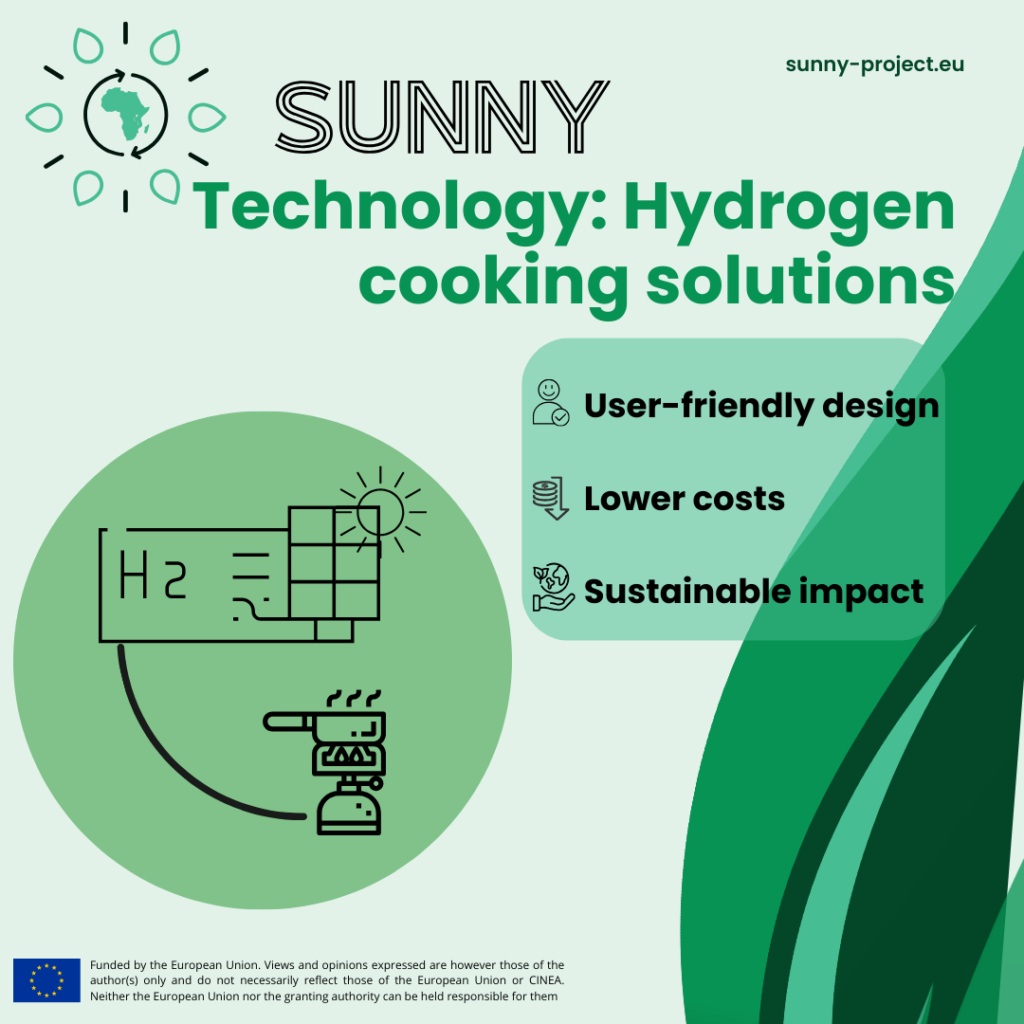
1. Hydrogen cooking solutions

Cooking remains a critical challenge for many refugees. Traditional methods, such as using firewood and charcoal, are unsustainable and pose severe risks to health and the environment. The SUNNY project is introducing hydrogen-powered cooking solutions that offer a cleaner, safer alternative.

Key Features Being Tested:

Hydrogen Generation: Monitored through solar hydrogen panels.

Storage Innovations: Hydrogen stored in truck tire inner tubes; evaluated for pressure, leaks, and portability.

Performance & Safety: A 100-hour test ensures efficiency, safety sensors detect failures, and system reliability is validated.

These systems offer a practical, safe alternative to firewood and LPG, improving household health and safety and reducing carbon emissions.


2. Solar Home Systems

Solar energy has already begun to make a difference at Mahama, but access to solar-powered systems for individual households remains limited. As part of the SUNNY project, solar home systems will be installed to test their performance, gather user feedback, and determine their scalability.

How It Works:
  • Free installations for selected households.
  • User feedback collected via ANGAHA CRM for performance monitoring and issue resolution.
  • Community engagement ensures solutions align with household needs.

This process ensures solar systems are effective, user-friendly, and scalable for broader implementation.

This approach ensures that the systems are user-friendly, effective, and tailored to the community’s specific energy requirements.


Why this matters: the broader impact

The introduction of hydrogen cooking solutions and solar home systems at Mahama Refugee Camp has far-reaching implications for refugees, host communities, and humanitarian actors alike:

  1. Environmental benefits: Reduces deforestation caused by firewood collection and carbon emissions.
  2. Economic opportunities: Supports small businesses, creating jobs and lowering energy costs. SUNNY’s solutions will also reduce the financial burden of purchasing LPG and diesel.
  3. Health & Safety Improvements: Minimizes smoke exposure, fire hazards, and respiratory illnesses.
  4. Community Integration: Benefits both refugees and host populations, fostering shared progress and social cohesion.


Looking ahead: a model for global impact

Mahama is just the beginning. The SUNNY project aims to create a scalable model for addressing energy challenges in refugee camps worldwide. Insights gained here will inform future clean energy initiatives, proving that sustainable solutions can empower communities everywhere.

At SUNNY, we believe access to energy is a human right. Through innovation and collaboration, we can build a brighter, more sustainable future for all.

(more…)
en_USEnglish