From 16 to 19 June 2025, the partners of the SUNNY Project gathered in Rwanda for the project’s second consortium meeting. The event was hosted by theUniversity of Rwanda and Practical Action, bringing together European and African partners for four days of discussions, workshops, and field visits aimed at reinforcing collaboration and aligning the project’s next steps with the realities on the ground.
This second consortium meeting was more than a progress review, it was a collective opportunity to connect research, innovation, and community needs in one of SUNNY’s key pilot regions.
Day 1: Kickoff in Kigali
The week began at the University of Rwanda College of Science and Technology in Kigali, the capital of Rwanda, where we were welcomed by representatives from key national and international institutions, including:
🏛️ Ministry of Infrastructure 🌱 Rwanda Environment Management Authority (REMA) ⚡ Rwanda Energy Group 🌍 Delegation of the European Union in Rwanda
These opening exchanges set the stage for a high-level panel discussion on the theme:
From Innovation to Integration: Powering Rwanda’s Future by Bridging the Humanitarian–Development Nexus.
The debate offered a vivid reflection of Rwanda’s current energy landscape and the challenges of ensuring sustainable access to energy for all — particularly in large communities such as Mahama Refugee Camp.
Today, around 57% of Rwandans have access to the grid, and 23% benefit from off-grid solutions which is a remarkable progress compared to just 10% fifteen years ago. Yet, as several speakers noted, generation capacity and affordability remain key bottlenecks. Discussions emphasized the potential of hydrogen technologies, but also the urgent need to address clean cooking challenges, where affordability of alternatives to firewood and charcoal remains a barrier.
“Clean cooking is within our reach through technology and policy,” one participant noted, “but economic realities and implementation challenges still stand in the way, particularly for vulnerable and refugee populations.”
Speakers underlined that the main barrier is not technological, but social: how to support communities through the transition toward new energy practices. Examples included work with schools transitioning from petrol gas to biogas, and the importance of co-creating solutions with communities to ensure they fit local contexts and habits.
“Without co-creation, the green transition will not be possible,” emphasized one panelist.
The session also explored how technical partners and renewable energy providers collaborate with refugee communities. Solektra Rwanda, for instance, shared their model: combining government subsidies (in partnership with Practical Action) to make clean energy affordable, while training local men and women to operate and maintain the systems. This approach not only improves energy access but also builds local ownership and technical capacity.
From the academic perspective, the University of Rwanda highlighted its pivotal role in bridging the gap between energy potential and practical implementation across the continent.
“Africa is rich in energy resources — wind, hydropower, solar — but faces a critical gap between access and application,” a university representative explained. “Education is the key to closing that gap. By training engineers and technicians, we empower young people to lead the transition.”
The morning continued with presentations from two sister projects:
HEED, presented by Prof. Elena Gaura (Coventry University), which works with refugee communities in Rwandan camps, and
SWARM-E, presented by Dr. Raluca Dumitrescu (MicroEnergy International), focusing on sustainable and affordable energy access across Sub-Saharan Africa.
These contributions helped situate SUNNY within a broader ecosystem of initiatives striving to advance inclusive and resilient energy solutions across the region.
In the afternoon, the consortium traveled east to the country in the Kirehe District, where partners would continue their work closer to the Mahama Refugee Camp, one of the project’s two pilot areas. The day concluded with a shared dinner at the East Gate Hotel, setting the tone for productive collaboration.
Panel discussion Kickoff in the University of Rwanda
Day 2: Consortium Discussions and Technology Workshops
The second day of the meeting took place at the East Gate Hotel in Kirehe, bringing together all SUNNY partners for a full day of exchanges, coordination sessions, and workshops.
We first received an in-depth briefing on the current situation in Mahama Refugee Camp, home to over 70,000 registered refugees by Mr Benon Odora Reach, Representative of UHNCR and head of south office in Mahama:
“Mahama continues to receive new arrivals, mainly from Sudan, Burundi, and the DRC,” he explained. “The population is growing, yet resources are shrinking. This creates profound challenges for energy, shelter, water, and essential services.”
He detailed how austerity measures and funding shortages have led to reductions in food assistance; down by about 50%; and cuts to health services and educational programs. Some humanitarian partners have even had to cease operations due to resource constraints, resulting in overcrowded classrooms and increased social vulnerabilities, particularly among children, the elderly, and women.
Energy Access: A Core Challenge
Energy remains one of the camp’s most pressing concerns. When Mahama opened in 2015, firewood was the only available cooking fuel. In line with Rwanda’s national policy to transition toward clean cooking solutions, UNHCR introduced briquettes and liquefied petroleum gas (LPG). Initially, all households received LPG cylinders, but budget limitations forced a shift toward a targeted assistance model, based on vulnerability criteria:
1️⃣ Most vulnerable – full energy support 2️⃣ Moderately vulnerable – partial assistance 3️⃣ More autonomous households (with income sources or small businesses) – limited or no support
However, as resources have declined further, cash-for-energy assistance was discontinued in 2025, and UNHCR is currently exploring alternatives to LPG, which is both costly and logistically unsustainable.
“Sustainability is not just financial,” Mr. Reach noted. “It’s also about supply chains, maintenance, and building local markets. For instance, replacing or sourcing LPG cylinders locally remains a major hurdle — they often need to be imported from Asia, and service providers are limited.”
Local Partnerships and Innovation
Despite these challenges, the camp has seen encouraging initiatives from partners such as Practical Action, which implemented the RE4R (Renewable Energy for Refugees) project. This initiative provided solar-powered street lighting and promoted clean cooking solutions, greatly improving safety and energy access in the community. Other innovative approaches, like Results-Based Financing for Refugees (RB4R), have supported women entrepreneurs in the clean cooking sector — a model aligning closely with SUNNY’s goals of empowerment and sustainability.
A key takeaway from the discussion was the need for stronger private-sector engagement and more collaboration between NGOs, companies, and local authorities to build reliable, affordable, and locally owned energy systems. As Mr. Reach emphasized:
“Energy and healthcare are our most expensive priorities. We need innovation, yes — but also partnership. Co-creating solutions with host communities is essential if we want lasting impact.”
Then the consortium reviewed the progress of each work package (WP1, WP2, WP3) addressing both achievements and remaining challenges.
Highlights included:
WP1: Contextual analysis and community engagement (led by TUB), refining how SUNNY aligns technological design with local socio-economic realities.
WP2: Local value chains and capacity building (led by Hudara), presenting approaches for collaborative training and skills transfer.
WP3: Technologies design and upgrade (led by TE), showcasing advances in the integration of sustainable technologies.
In the afternoon, partners took part in an interactive Technology Workshop, exchanging ideas on the integration of modular solar solutions, improving design resilience, and enhancing the interoperability of SUNNY’s systems. Together, participants evaluated the project’s technologies through five key lenses — economic and business models, environmental impact, regulatory context, implementation feasibility, and social considerations.
These sessions fostered dynamic cross-disciplinary dialogue, encouraging partners to connect technical innovation with the broader social and environmental objectives that define SUNNY’s mission.
Day 3: Field visit to Mahama Refugee Camp
The third day took the consortium to Mahama Refugee Campand Settlement, one of the largest in Rwanda, home to tens of thousands of people. This day was the highlight of the week, combining technical workshops with first-hand engagement with local actors.
Morning sessions covered:
Replication and governance planning (ENERGIES 2050)
Community mapping (Hudara)
Environmental KPIs and eco-design (ReFuse)
Entrepreneurship insights from Inkomoko Rwanda
Workshops presentation day 3
In the afternoon, participants joined a comprehensive field visit, organised with the support of UNHCR and MINEMA. The visit included:
The solar minigrid powering local infrastructure,
The water treatment and irrigation plant,
A walkthrough of the Business Centre,
Exchanges with the Refugee Leader Committee,
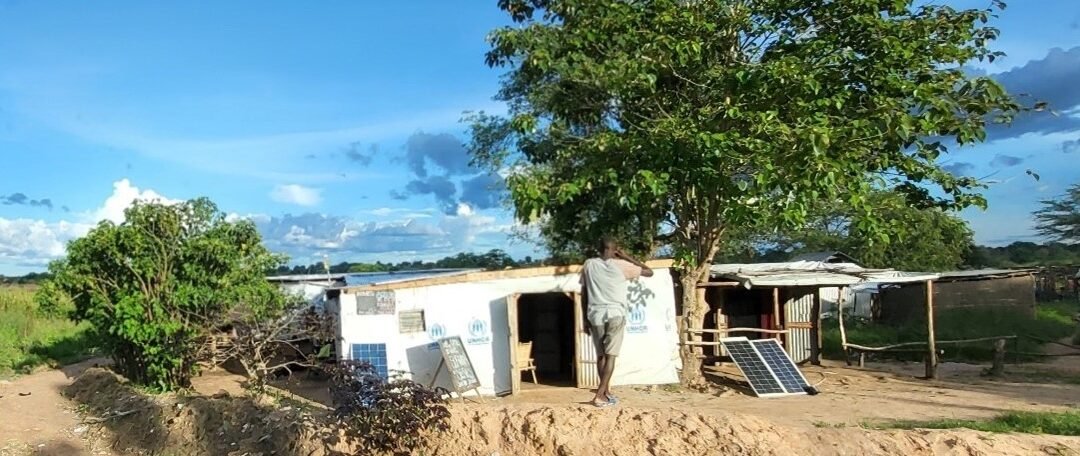
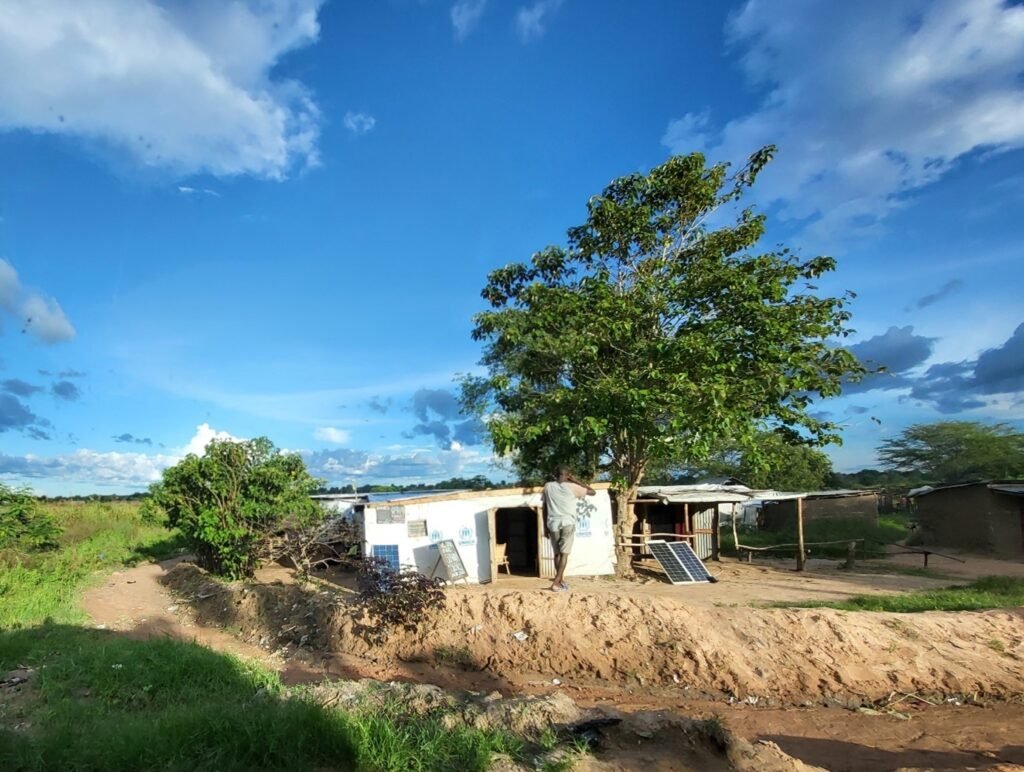
And a visit to Solektra Rwanda Ltd, showcasing local renewable energy solutions.
These moments on the ground provided vital feedback to the consortium: a tangible understanding of the energy infrastructure’s functioning, the economic dynamics of refugee-led businesses, and the human impact of energy access initiatives.
Mahama CampMahama Refugee Settlement Business Center
Solar minigrid infrastructureWater treatment plant
Day 4: Back to Kigali
The final day marked the end of an inspiring week of collaboration and exchange. After an early departure from Kirehe, the consortium made its way back to Kigali, where partners gathered for a joint lunch and final reflections on the week’s achievements.
In the afternoon, Practical Action had prepared a special group activity — a lively traditional Burundian and Rwandan dance workshop ! Guided by local performers, partners learned the rhythmic movements and cultural meanings behind the dances, which celebrate community, resilience, and togetherness. The session offered a joyful moment of cultural immersion and team-building, perfectly capturing the spirit of SUNNY’s collaboration between European and African partners.
As the meeting came to a close, participants shared key takeaways from the week: the value of grounding innovation in local realities, the importance of inclusive participation, and the strength that comes from truly transnational cooperation.
Partners left Rwanda with a renewed sense of purpose — inspired by the dedication of local actors, the resilience of refugee communities, and the potential of SUNNY’s integrated approach to energy access, entrepreneurship, and environmental sustainability.
The Kigali sessions brought the consortium meeting full circle: from discussions on innovation and integration to a lived experience of connection, culture, and shared vision for a sustainable future.
Looking Ahead
This consortium meeting marked an important milestone in SUNNY’s journey. The exchange between research, policy, and community perspectives helped sharpen the project’s vision and ensured that technical innovation remains grounded in local ownership and social inclusion.
A heartfelt thank you to our hosts at the University of Rwanda and Practical Action, and to all partners and local stakeholders who contributed to making this meeting a success.
Insights from Bidibidi: A holistic approach on Biowaste
How can organic waste in refugee settlements be transformed into a valuable resource for sustainable energy and circular economies? As part of the SUNNY Work Package 1 (WP1) Comparative analysis of local context which (UMAK), explores the cultural and socio-environmental landscape of the demo site, ReFuse is tackling this question with a holistic approach on Biowaste. With support from CTEN and Makerere University (UMAK), our team conducted field assessments using Semi-Structured Questionnaires (SSQ), Key Informant Interviews (KII), and Geo-tagging/co-Mapping (MAP).
Image : Rubbish pit in the Bidibidi Settlement – SSQ
In places like Bidibidi Settlement and the surrounding Yumbe District in Uganda, poor waste management poses a daily challenge for both refugee and host communities. Open dumping and burning have become the norm, posing serious health and environmental risks. Yet, this problem also holds untapped potential. In Uganda, biowaste can account for up to 88.5% of total waste generation. Despite this massive volume, there’s still a significant knowledge gap in how organic waste like food scraps and agricultural residues is managed from disposal to recycling.
Handling biowaste as a resource
Through proper treatment and valorization, organic waste can be transformed into valuable bioproducts and bioenergy, creating economic benefits while reducing environmental impact. Authorities such as NEMA and MEMD highlighted in their national policies how they recognized the potential of biowaste. Efforts were put to promote composting and reprocessing through initiatives that could contribute to a more sustainable energy mix, lessening reliance on firewood.
On the Front line
For two weeks, a team of 6 researchers surveyed and mapped all five zones in Bidibidi Settlement. We spoke direclty with community members who shared everyday struggles. Conversations with refugees highlighted the urgent need for biowaste management and disposal solutions. Most refugees revealed that organic waste coming from foodleftovers, vegetables peels and green stems are thrown in mixed rubbish pit – a dug hole in the ground. One resident from the host community shared that these pits are often uncovered and exposed to wind and rains which causes waste to spread, building up near homes, contaminating water sources, harming soil, and triggering health issues like diarrhea and respiratory infections. they then added, that pests and animals scavenge through the waste, making the situation worse. Despite these difficulties, there’s momentum on the ground. Refugee-led initiatives experimented with composting and making briquettes as alternatives to charcoal. But these efforts were lost due to lack the infrastructure, technical training, and support to thrive.
Our assessment covered 105 SSQs, 42 KIIs, and 40 MAP activities. This data underscore tthe urgent need and the potential for better biowaste management. However, several challenges like the vast distances between zones, the absence of organized collection systems, and low awareness are real.
Through SUNNY, ReFuse aims to support the integration of SUNNY technologies and minimize waste related socio-environmental impact. To address this aspect of the problem, ReFuse will provide expertise in creating circular value chains. The focus of the next field visits will be on two key actions: (1) Empower existing and/or new local entrepreneurship projects/ initiatives (building market based solutions) (2) Advise a waste management plan together with the development organisations working in Bidibidi, Yumbe district, and community members.
Our role is to contribute in increasing SUNNY’s capacity on waste management while championing local circular economies that leave no one behind
Understanding Dry waste dynamics: Insights from Mahama Camp, Rwanda and Bidibidi Settlement, Uganda
A new assessment conducted as part of the SUNNY Work Package 2 (WP2) provides insights into dry waste production, recycling behavior, and local market dynamics in two key sites: Mahama Camp in Rwanda and Bidibidi Settlement in Uganda, along with their surrounding host communities. The study contributes to broader efforts aimed at fostering sustainable waste management practices and enabling circular value chains in humanitarian contexts. With support from CTEN and Makerere University (UMAK) in Uganda. And, Practical Action (PA), CTEN and University of Rwanda, field data collection in both locations combined Semi-Structured Questionnaires (SSQ), Key Informant Interviews (KII), and Mapping (MAP) activities.
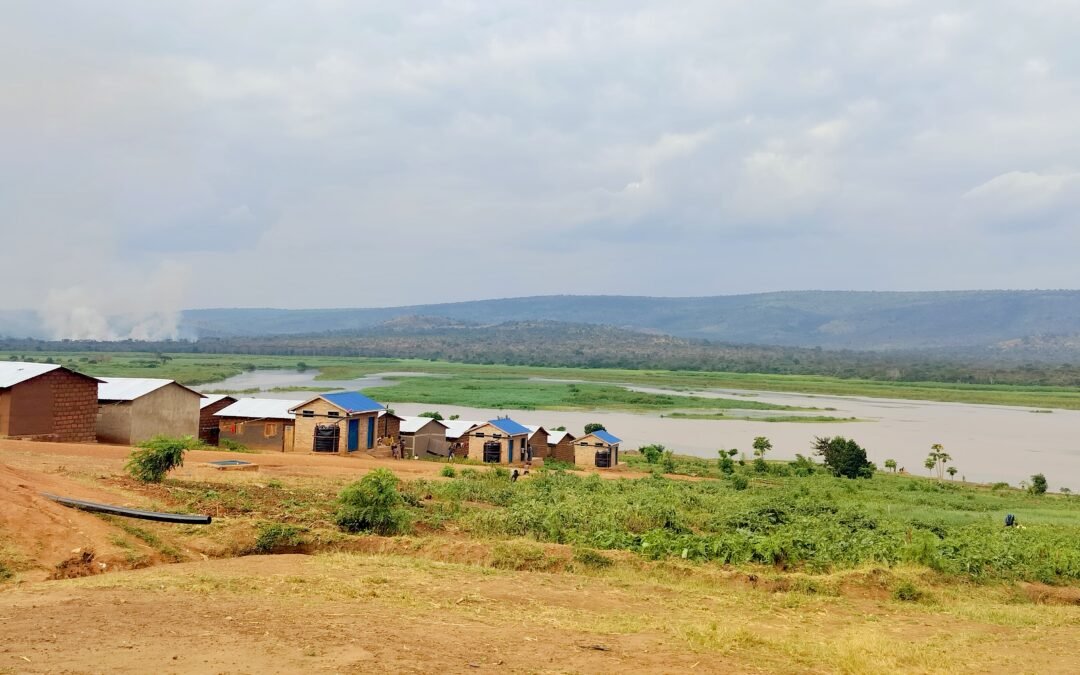
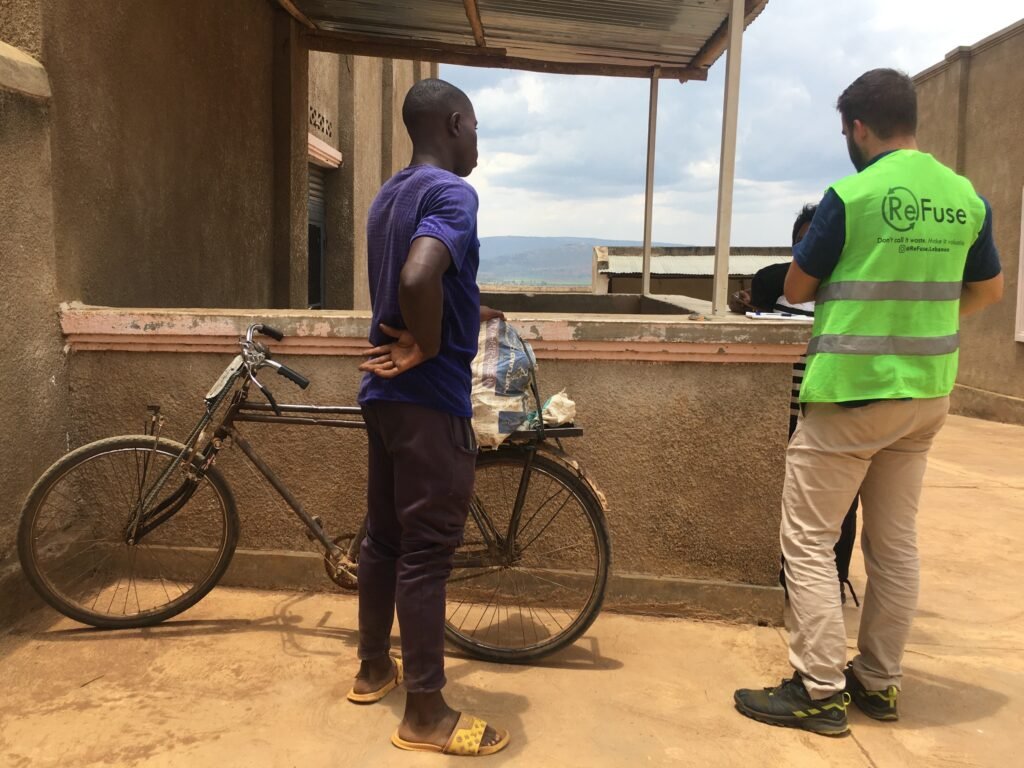
Image: Waste picker in Mahama Camp – KII
In many refugee-hosting regions across Africa, waste management systems remain underdeveloped or non-existent, especially when it comes to dry waste. Plastics, textiles, paper, and metal often accumulate without proper disposal pathways, contributing to environmental and public health risks. While most interventions have focused on food and shelter, solid waste -especially non-biodegradable materials- is becoming a critical concern in long-term displacement settings.
Observed practices
Preliminary findings indicate that plastic waste, primarily from food packaging, water sachets, bottles, and household containers, is the most common form of dry waste in both Mahama and Bidibidi. Other categories include textiles (clothing), paper, and some scrap metal. In both sites, dry waste is generally not segregated at source. In Uganda, it is either burned, buried, or dumped in open spaces near homes or in informal pits. While in Rwanda, with the support of UNHCR and World vision, a system is put in place. Community members reported taking their mixed waste to specific collection sites scattered around the camp. As also observed, many residents from the host community also use the same dumping points as there is no collection service.
Recycling behavior and repair market
The study also explored community attitudes toward recycling and reuse. Across both camps, there is some awareness of the potential benefits of recycling, particularly among youth and informal small-scale traders. For instance, in Uganda they are identified as ‘KiloKilo’ and ‘ChumaChuma’, they mostly collect hard plastic and mixed metals, while in addition to that, ‘injemini’ in Rwanda collect rubber shoes known as ‘sweeties’. Five informal traders were sampled in Rwanda, and eight in Uganda. Those traders rely heavily on waste pickers which usually travel by foot or on a bike and go around the villages to recover recyclables from community members in exchange of a small incentive . One shared that prices are inconsistent, and despite the logistical barrier that make it difficult to scale up collection and resale operations, there is untapped market for recycling streams.
Both refugees and host community members in both sites identified existing repair providers operating inside and outside the camp. Some participants referenced locations and moving sellers where second-hand goods could be purchased or repaired, though their operations remain informal and irregular. These findings suggest that the current repair and reuse ecosystems are informal and underutilized, yet present an important opportunity to divert materials from landfills and extend product lifecycles.
The findings from Mahama and Bidibidi highlight the potential and the limitations of introducing circular waste solutions in refugee settings. While dry waste is abundant and there is growing community interest, any intervention must address the infrastructural gaps, social perceptions, and market constraints. Through SUNNY, ReFuse, is working to support the adoption of SUNNY technologies while leveraging its expertise in developing circular value chains to shift recyclables from landfills. The focus of the WP2 field visits will be on two key actions: (1) Empower existing and/or new local entrepreneurship projects/ initiatives (building market based solutions) (2) Advise a waste management plan together with the development organisations working in the camps, Local authorities, and community members.
At ReFuse, we believe value can be created anywhere, especially in places where others only see garbage, because we refuse to call it waste, we make it valuable
In December 2024, partner CTEN(Community Technology Empowerment Network) took a significant step in further strengthening the collaboration of the project consortium with local communities in Bidibidi Refugee Settlement. Through its inception and end-of-year feedback meetings, CTEN set the stage for the SUNNY project, which aims to drive community-based protection, education, and livelihood improvements through enhanced and sustainable access to energy services.
About CTEN
CTEN, a Registered Refugee-Led Organization (RLO), that operates under the vision of fostering a healthy, informed, and peaceful community. With thematic areas spanning community-based protection, digital education, energy, environment, and livelihood support, CTEN is committed to empowering refugees and host communities alike.
The SUNNY Project: Setting the Foundation for Success
Bidibidi Refugee Settlement requires operational partners (OPs) and implementing partners (IPs) to conduct inception meetings for new projects to ensure alignment with government programs and effective coordination. On November 18, 2024, CTEN held an inception meeting in Zone 1 to introduce the SUNNY project. This project targets Zones 1-5 and seeks to integrate within the existing settlement framework to enhance collaboration and efficiency.
On November 22, 2024, an end-of-year feedback meeting was held with key stakeholders, including the Office of the Prime Minister (OPM), Refugee Welfare Councils (RWCs), Religious and opinion leaders, and other RLOs. This meeting provided an opportunity to reflect on achievements, challenges, and lessons learned over the past six months.
Objectives of the Inception Meeting
The inception meeting aimed to:
Introduce the SUNNY project to all stakeholders and highlight its alignment with the settlement’s operational framework.
Present approved work packages, deliverables, and timelines for effective implementation.
Define roles, responsibilities, and reporting structures for consortium partners.
Gather feedback from the community on activities conducted by CTEN in collaboration with TUB, ReFuse, and UMAK.
Attendance and Engagement:
The two meetings attracted 41 participants comprising representatives from government, community leadership, and refugee-led organizations. The gender distribution included 28 males and 13 females, achieving approximately 70% attendance of the targeted stakeholders.
Key Achievements:
During the past six months, CTEN made notable strides in:
Increasing awareness of renewable energy solutions and waste management.
Encouraging active participation of local communities in workshops and surveys.
Identifying priority waste sites for intervention.
Strengthening collaboration between stakeholders and community representatives.
Challenges Identified:
Despite the achievements made, several challenges emerged:
Limited resources to scale up waste management interventions.
The need for more practical demonstrations and pilot projects.
Gaps in technical capacity among local community members.
However, these challenges are not insurmountable. With continued engagement from partners and the valuable feedback from the community, SUNNY is implementing strategies to address these issues effectively. Increased resource allocation, practical training sessions, and strengthening local capacity will help overcome these obstacles, ensuring the long-term success of the project. These challenges also present opportunities to further engage communities and drive innovative solutions tailored to local realities.
Community Feedback and Lessons learned
Community leaders shared valuable insights:
Appreciation for the positive impact the SUNNY project is expected to bring to livelihoods.
A call for increased training programs on renewable energy maintenance and business development.
The need for broader engagement of youth and women in project activities.
Through the engagement process, several lessons emerged:
Local knowledge enhances the relevance of waste mapping data and ensures sustainability.
Hands-on, practical training is essential for effective capacity-building.
Sustained collaboration with local government improves project implementation.
Critical Observations and recommendations for future activities
Some notable observations included:
Awareness of sustainable energy solutions remains relatively low, necessitating ongoing sensitization.
Collaboration with local authorities facilitated smoother implementation.
Some community members had expectations of monetary incentives for participation.
To ensure the continued success of the SUNNY project, the following recommendations were made:
Increase the frequency of training sessions and workshops.
Implement more practical demonstrations on waste management and renewable energy.
Strengthen partnerships with local government and private sector actors to enhance sustainability.
The inception meeting successfully laid the groundwork for the SUNNY project, bringing together key stakeholders who demonstrated a shared commitment to its success. The end-of-year feedback meeting provided critical insights that will shape future activities, emphasizing the need for continuous engagement, technical capacity building, and sustainable collaboration.
As CTEN moves forward, it remains dedicated to empowering communities through digital inclusion, renewable energy education, and waste management initiatives, ensuring that refugees and host communities alike become more self-reliant and resilient.
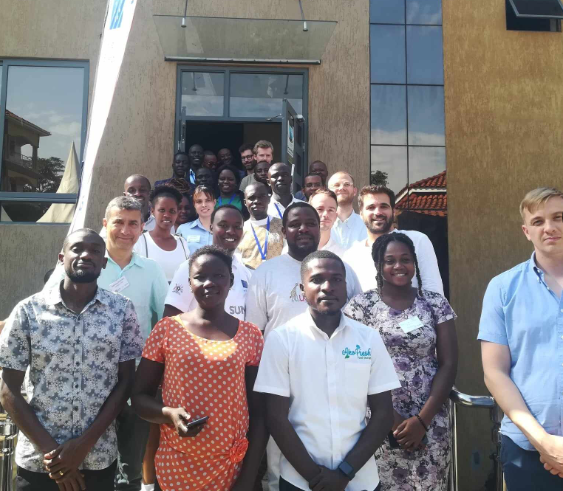
Eight months ago, in June 2024, we gathered in Arua, Uganda to officially launch the Horizon Europe SUNNY project. This Kick-Off Meeting was more than just a formal start—it was a moment of shared commitment among our 17 European and African partners to bring sustainable energy solutions to refugee settlements and host communities in Africa.
A Look Back at the Kick-Off in Uganda
The SUNNY project’s journey began with an inspiring and productive gathering of all partners in Arua, near the Bidibidi Refugee Settlement—one of our two key demonstration sites. The meeting provided a crucial opportunity to align on goals, discuss implementation strategies, and most importantly, visit the Bidibidi settlement to gain firsthand insight into the energy challenges faced by refugees and their host communities.
Walking through the settlement, we saw the daily struggles that families face due to limited access to electricity. Farmers lack proper irrigation systems, homes rely on costly and polluting fuels, and food storage remains a challenge without refrigeration. These realities reinforced why SUNNY’s mission—to implement clean, affordable, and scalable renewable energy solutions—is more urgent than ever.
Where Are We Now? Progress Since the Kick-Off
Since that milestone event, the SUNNY project has been making steady progress toward its implementation goals with start of WP1 – Contextual analysis, community engagement and requirements definition and WP2 – Local value chain, training and capacity building collaborative development. Here’s what we’ve achieved so far:
📍 Understanding Local Energy Needs (WP1 – Context & Requirements)
✅ Energy & Policy Analysis: We assessed the energy situation, social factors, and regulations in Mahama (Rwanda) and Bidibidi (Uganda). ✅ Community Engagement: Local stakeholders—including refugees, businesses, and farmers—were involved through surveys, interviews, and workshops to ensure SUNNY’s solutions meet real needs. ✅ Technical Requirements Defined: Energy demand predictions were made, and specific technology needs for solar home systems, biogas digesters, hydrogen cookstoves, and irrigation solutions were identified.
📍 Strengthening Local Value Chains & Training (WP2 – Capacity Building)
✅ Workforce & Skills Assessment: We analyzed training needs for operating and maintaining SUNNY’s energy systems. ✅ Local Involvement: Key community members were recruited to participate in co-creation activities that will help refine SUNNY’s solutions.
A Call to Action
The Kick-Off Meeting in Uganda was just the beginning of this exciting journey. Eight months later, we are more determined than ever to drive the green energy transition and improve energy access for displaced communities.
🌍 Stay connected with us for more updates as we move forward in building a sustainable, energy-secure future for all.
Access to clean and sustainable energy is not just a technical challenge; it’s a fundamental aspect of improving lives.
In the face of displacement and resource scarcity, access to sustainable energy is a cornerstone for building resilience, promoting livelihoods, and ensuring dignity. At the Bidibidi Refugee Settlement in Northwest Uganda, the SUNNY project is implementing innovative renewable energy solutions to address these pressing challenges and explore their impact across the Water-Energy-Food (WEF) nexus.
Home to 270,000 displaced persons—primarily fleeing civil war in South Sudan—Bidibidi is one of the largest refugee settlements in the world. With no access to the national electric grid, both refugees and the surrounding host communities rely heavily on expensive, unreliable, and environmentally harmful energy sources. Through collaboration with partners UMAK, META, SOLHYD, AKO, and SOLEK, SUNNY is bringing sustainable solutions that integrate energy, food security, and agricultural productivity to unlock a brighter future.
The Energy and Development Context in Bidibidi
Since its establishment in 2016, Bidibidi has faced significant challenges in meeting its energy needs:
Limited Energy Access: Refugees and local host communities rely on costly fuel-powered generators, biomass, and small solar systems for basic needs.
Impact on Healthcare and Education: Health centers and schools struggle with inadequate power.
Food Insecurity: The region’s dependence on subsistence farming and limited irrigation systems makes agriculture vulnerable to weather variability.
Environmental and Economic Strains: Heavy reliance on biomass leads to deforestation, while expensive fuel for generators burdens local businesses and households.
SUNNY’s approach combines biogas, hydrogen cooking, cold storage, and smart solar irrigation to address these challenges. The project aims to improve energy access while fostering sustainable economic growth and food security
SUNNY Project Objectives and Vision
SUNNY aims to demonstrate clean energy solutions while assessing their environmental, social, and economic impact. Our core goals are to:
Reduce Carbon Footprint by shifting from firewood and diesel.
Enhance Safety with cleaner, safer cooking and energy options.
Empower Communities by boosting economic opportunities and gender equality.
Promote Climate Resilience through sustainable energy models for displaced populations worldwide.
Demonstrated Solutions at Bidibidi
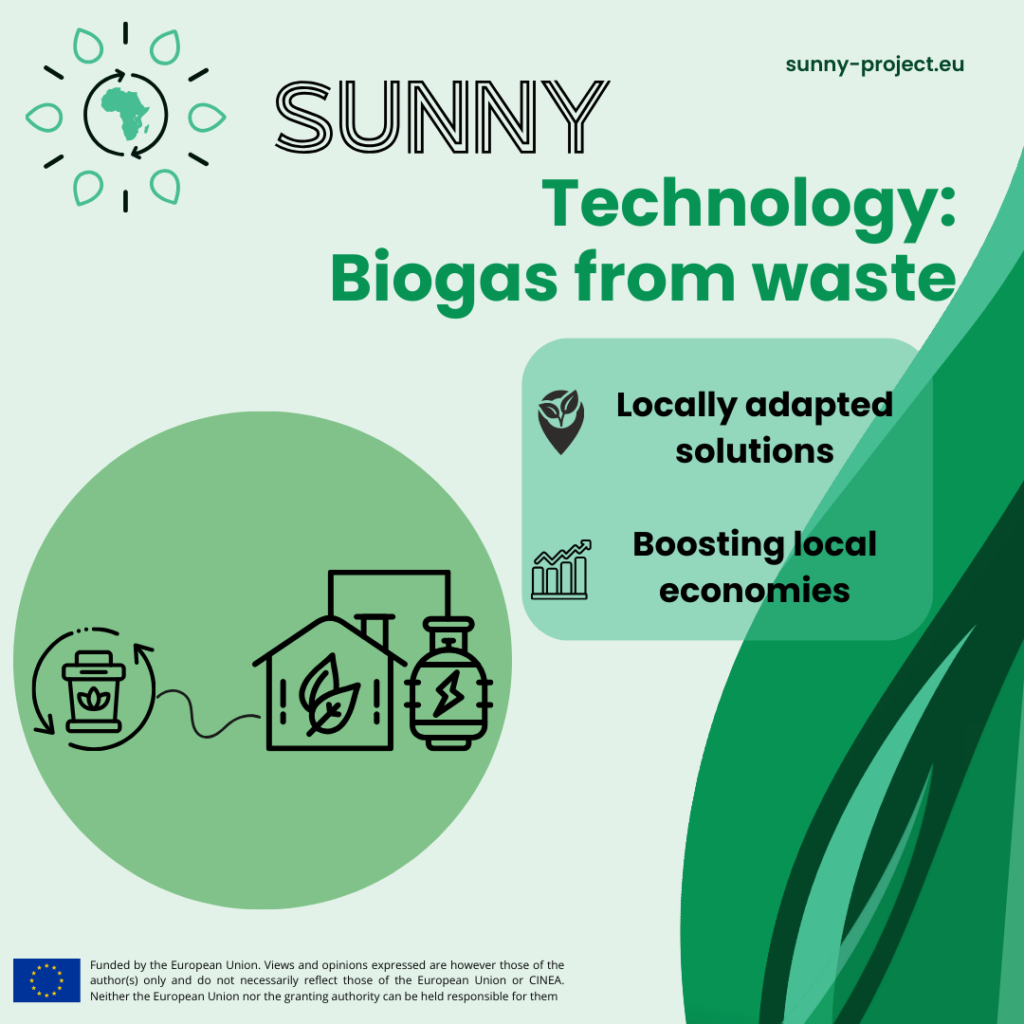
1- Biogas systems
Biogas technology converts organic waste into clean, sustainable cooking fuel. SUNNY is testing. At Bidibidi, the SUNNY team is testing the efficiency and stability of biogas systems tailored to the local context :
Reliability: Real-time gas meters track performance to ensure consistency.
Efficiency: Monitoring organic input rates, gas production, and system stability.
2- Combined Hydrogen and biogas cookstoves
Cooking remains one of the primary energy demands in refugee settlements. The SUNNY project is introducing hybrid cookstoves capable of using hydrogen, biogas, and LPG, offering a versatile, clean cooking alternative for households.
Performance and versatility: Fuel-switching flexibility and energy efficiency.
Safety and Usability: Trials ensure the stoves are practical, safe, and user-friendly for households.
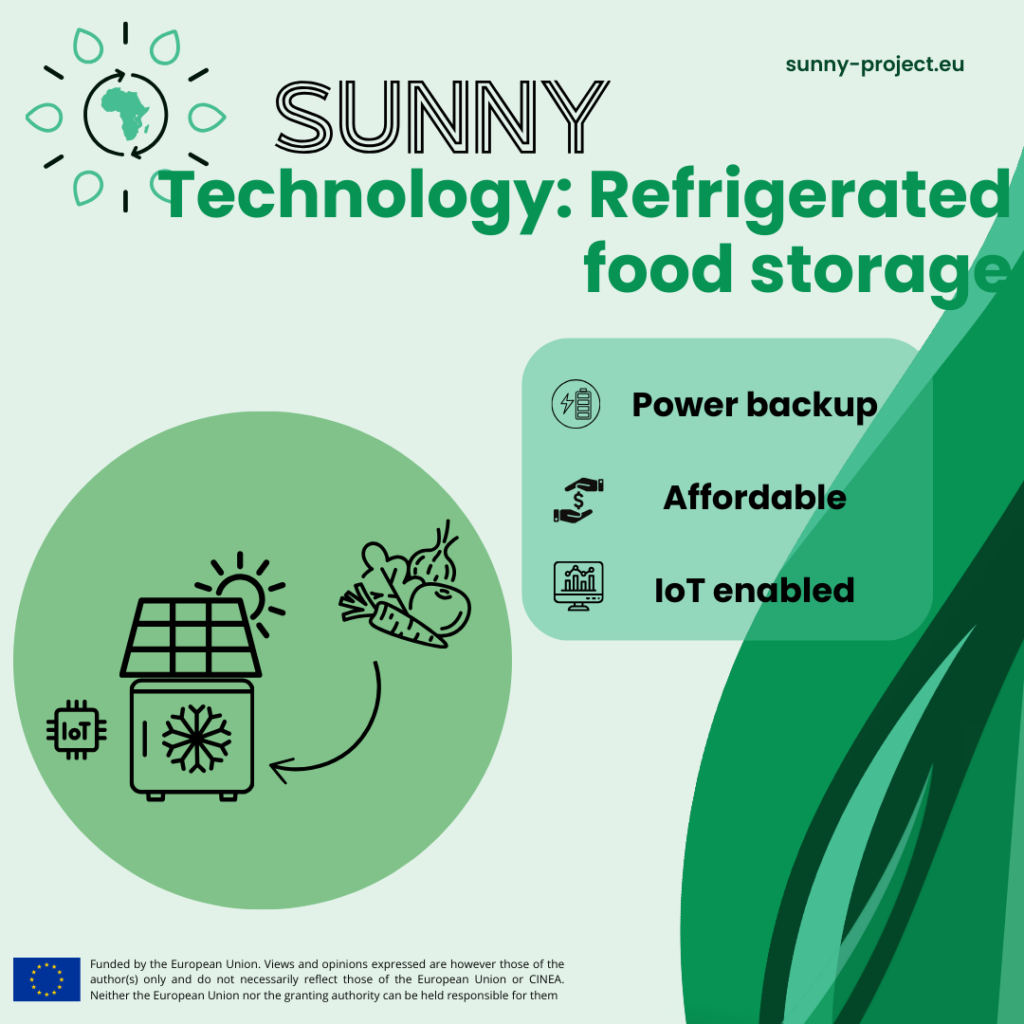
3- Refrigerated Food Storage
The SUNNY project is addressing food security challenges by introducing energy-efficient cold storage systems. Developed by AKO, these systems preserve perishable goods, reduce food waste, and support local agricultural businesses.
Community Impact: By extending the shelf life of perishable produce, cold storage solutions will empower farmers and businesses to reduce losses, access new markets, and improve incomes.
Energy Efficiency: Ensuring optimal performance with minimal energy consumption.
Reliability and Usability: Systems will be evaluated for ease of use, temperature consistency, and durability under local conditions.
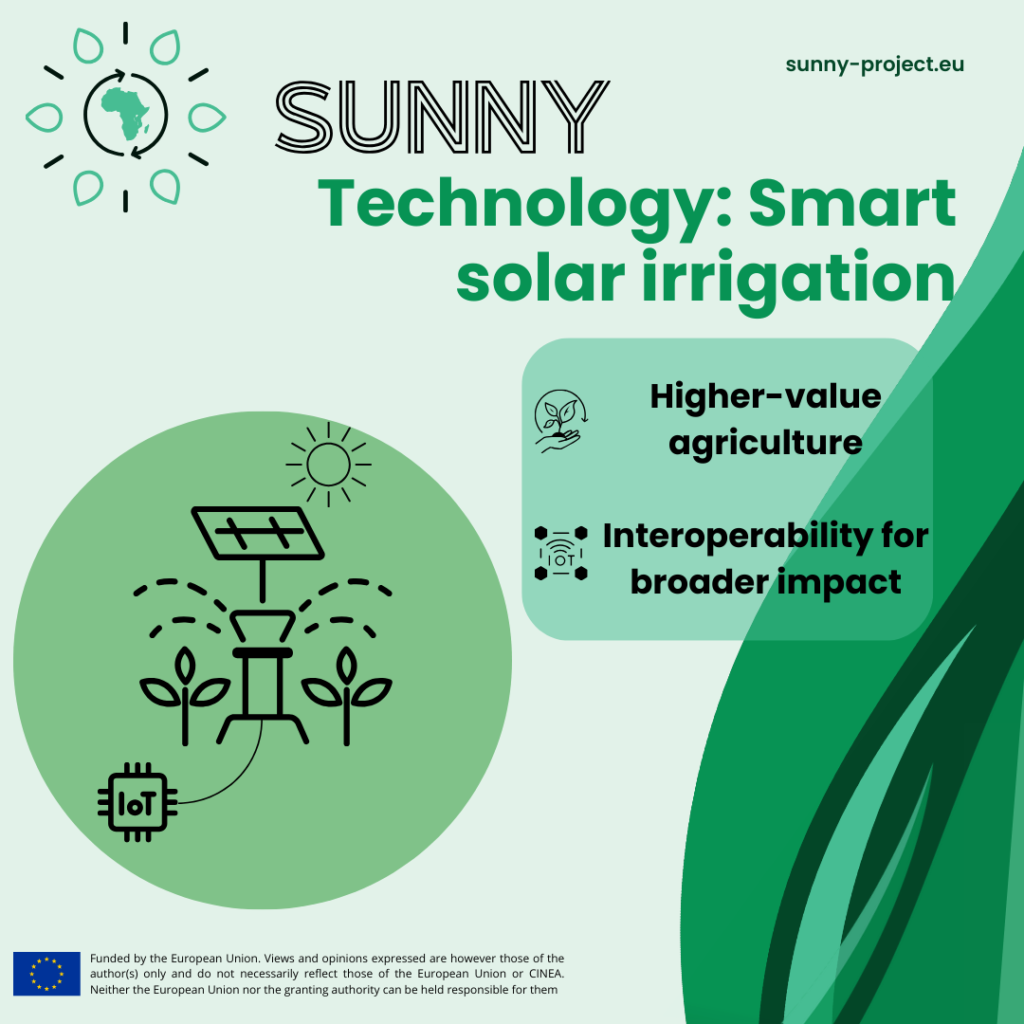
4- Smart solar irrigation
Water management is critical for agricultural productivity, particularly in regions like Bidibidi, where farming is the main economic activity. SUNNY is implementing solar-powered irrigation systems that maximize water efficiency while integrating renewable energy solutions :
Standardization: Developing protocols for seamless interoperability among renewable energy systems to enhance integration and scalability.
WEF (Water-Energy-Food) Nexus Analysis: SUNNY is analyzing how smart irrigation systems, combined with energy-efficient cold storage and clean cooking technologies, contribute to sustainability and resilience.
Remote Monitoring: Real-time data analytics will optimize irrigation schedules, cooking efficiency, and cold storage performance.
Energy Sharing: Surplus solar energy from irrigation systems will be studied for its potential to power hydrogen production, creating synergies across technologies.
Why It Matters: a Transformative Impact
The SUNNY demonstration site at Bidibidi delivers benefits across key areas:
Energy Access: Clean, affordable reliable energy for homes, health centers, schools, and businesses.
Food Security: Smart irrigation and cold storage reduce food losses and improve productivity.
Economic Empowerment: Farmers and local entrepreneurs access opportunities to expand businesses and their incomes.
Environmental Sustainability: Lower biomass and fuel usage mitigate deforestation and carbon emissions.
Resilient Communities: By addressing energy, food, and economic needs, SUNNY fosters long-term stability and self-reliance.
A Model for the Future
The Bidibidi demonstration site highlights the transformative potential of renewable energy to address interconnected challenges in refugee settlements and surrounding communities. By integrating clean energy solutions across the WEF nexus, SUNNY is paving the way for scalable, sustainable models that can be replicated in similar contexts worldwide.
Together, we can harness renewable energy to build resilient, empowered, and sustainable communities









 Français
  English
  Kinyarwanda